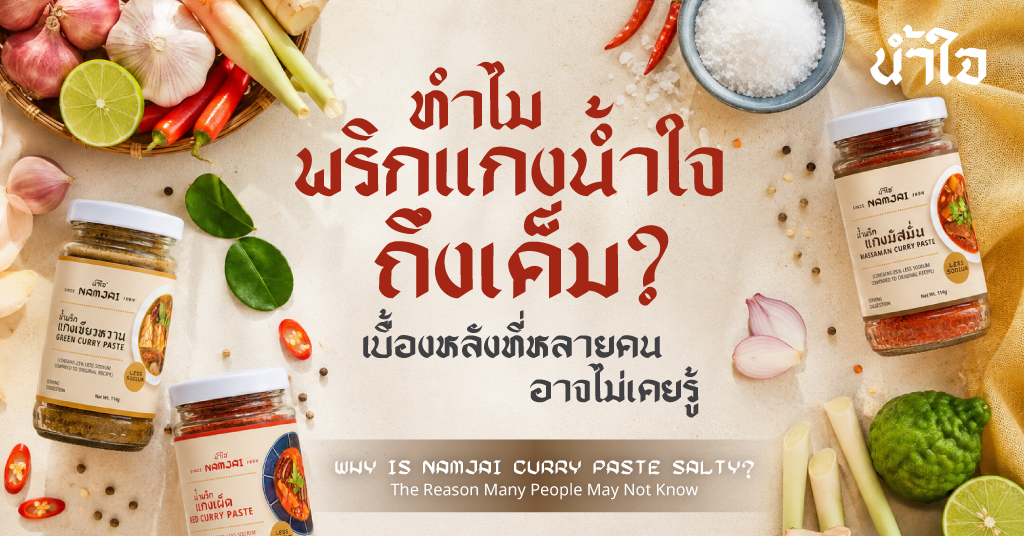
Why Is Namjai Curry Paste Salty? The Reason Many People May Not Know

If you’ve ever noticed that Namjai curry paste tastes a little salty, that’s not by accident. It’s the result of an important decision we’ve made: not using artificial preservatives.
Many people may not know that curry paste is made from a variety of fresh herbs and spices, including chillies, garlic, shallots, lemongrass, galangal, and kaffir lime peel. These ingredients naturally contain moisture and can deteriorate if not stored properly.
In the food industry, there are many ways to extend a product’s shelf life. However, for Namjai curry paste, we have chosen one of the simplest and most natural methods: using salt.
Salt: A Preservative Rooted in Traditional Thai Wisdom
Long before artificial preservatives or modern food preservation technologies existed, Thai people had been using salt to preserve food for generations. Salt helps slow the growth of certain microorganisms and naturally helps maintain food quality.
For this reason, salt is part of the Namjai curry paste recipe. Not to make it overly salty, but to help us avoid the use of artificial preservatives.
What Would We Choose Between Preservatives and Salt?
For us, the answer is simple: salt. Salt is an ingredient that consumers recognise, understand, and have used in Thai kitchens for generations. Although it may give our curry paste a slightly salty taste, it is a choice that aligns with Namjai’s philosophy of delivering the authentic flavours of real herbs and ingredients without relying on synthetic preservatives.
We Are Working on an Even Better Formula
We understand that today’s consumers are placing greater importance on reducing their sodium intake. That is why our team is developing a lower-sodium curry paste, giving customers a healthier option while remaining committed to our core principles:
- No artificial preservatives
- Real ingredients
- Authentic Thai flavour
The Challenge of Lower-Sodium Curry Paste
Reducing salt in curry paste is not as simple as removing salt from the recipe. Every time we reduce the salt content, we must consider product quality, food safety, shelf life, and the flavour that customers expect.
Our challenge is not simply to make it “less salty.” We must create a product that can:
- Remain free from artificial preservatives
- Preserve authentic Thai flavours
- Retain the aroma of fresh herbs
- Maintain quality throughout its shelf life
All at the same time. Because we believe that good food is not only about great taste. It should also give consumers confidence in every ingredient that goes into it. That is why Namjai continues to put natural ingredients, transparency, and ingredient quality first.
More Than Delicious — How Namjai Cares for the Environment Through Leftover Ingredients
In an era where consumers no longer choose a brand based on “taste” alone, but also look at its “values” and “social responsibility.”
Kaffir lime is an ingredient Thai people know well in the kitchen, used in both cooking and traditional herbal remedies. But turning kaffir lime into a “floor cleaner” flips the perspective — from a kitchen ingredient into an everyday household product — and it’s also a way of “getting the most value” out of it while “reducing reliance on chemicals.”
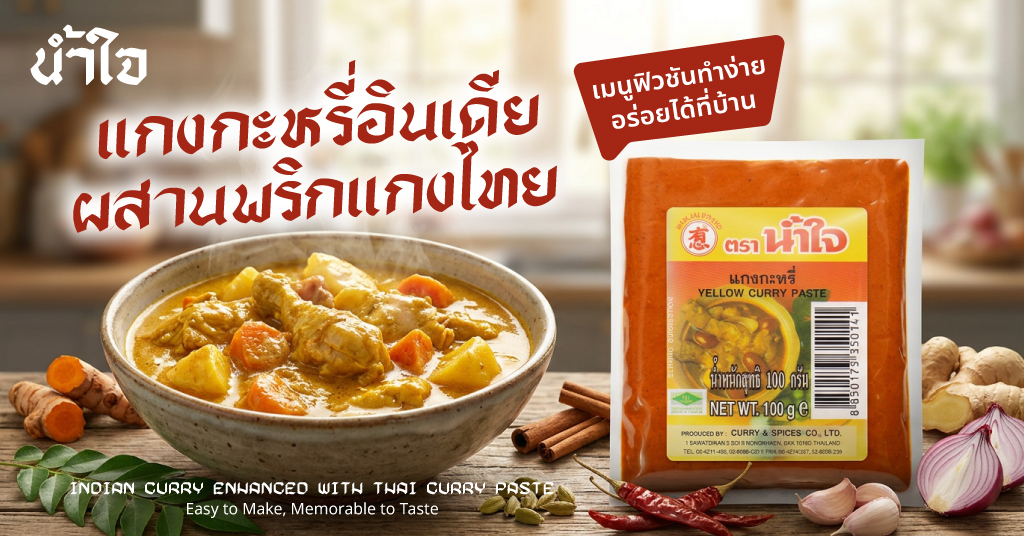
Indian Curry Enhanced with Thai Curry Paste — Easy to Make, Memorable to Taste
Home cooks can create delicious Indian-inspired dishes using ingredients already found in many kitchens. One surprising shortcut is Thai curry paste — particularly Massaman curry paste (cumin, coriander, cinnamon) — which pairs well with Indian-style recipes.
Indian-Style Chicken Curry
Ingredients: 1–2 tbsp Namjai Red Curry Paste, 300g diced chicken breast, 1 finely chopped onion, 2 diced tomatoes, 1 tsp ground cumin, 1 tsp ground coriander, ½ tsp turmeric powder, ½ cup plain yogurt.
Method:
- Sauté the onion until fragrant and golden.
- Add the red curry paste and cook until fragrant. (Tip: lightly toast cumin and coriander in a dry pan first for a deeper aroma.)
- Stir in the cumin, coriander, and turmeric.
- Add the chicken and stir-fry until partially cooked.
- Mix in tomatoes and yogurt, then simmer gently for about 20 minutes. (Tip: marinate the chicken in yogurt for 30 minutes beforehand for tenderness.)
- Season to taste and serve with naan bread or basmati rice.
Chickpea & Potato Masala
Ingredients: 2 tbsp Namjai Massaman Curry Paste, 1 cup cooked chickpeas, 2 diced boiled potatoes, 400ml coconut milk.
Method:
- Cook the Massaman curry paste with a few spoonfuls of coconut milk/cream until aromatic. (Tip: cook the paste well before adding the rest of the liquid for richer flavor.)
- Add cinnamon and cardamom.
- Stir in the potatoes and chickpeas.
- Pour in the remaining coconut milk and simmer for 15–20 minutes. (Tip: add a small pinch of ground cloves near the end for a more authentic Indian aroma.)
- Season with salt and a little sugar if desired.
Blending familiar Thai ingredients into other cuisines often produces the most enjoyable, memorable dishes.
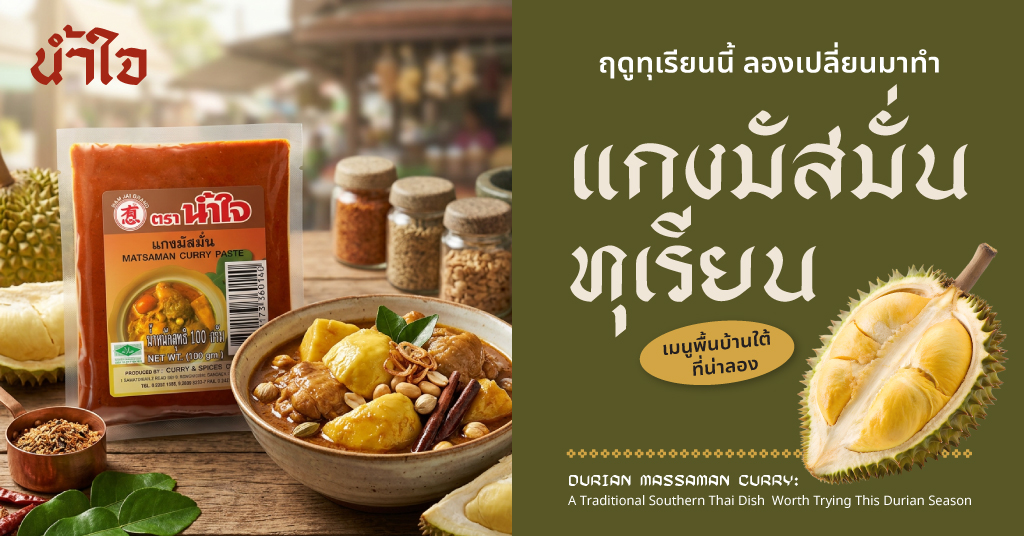
Durian Massaman Curry: A Traditional Southern Thai Dish Worth Trying This Durian Season
When durian season arrives, most people think of eating the fruit fresh or turning it into desserts. But in Southern Thailand, unripe/semi-ripe durian has been used in savory cooking for generations — including the unique Durian Massaman Curry, which uses young durian in place of potatoes.
Ingredients
- 2 tbsp Namjai Massaman Curry Paste
- 500g chicken or beef
- 300g unripe durian, cut into bite-sized pieces
- 500ml coconut milk
- 2 tbsp palm sugar
- 2 tbsp tamarind paste
Method
- Cook the Massaman curry paste with a small amount of coconut milk until fragrant.
- Add the chicken or beef and stir until coated with the curry paste.
- Pour in the remaining coconut milk and simmer until the meat begins to soften.
- Add the unripe durian and continue cooking until tender.
💡 Cooking Tip: Choose semi-ripe Monthong or Chanee durian. The flesh stays firm during cooking, absorbs the curry beautifully, and develops a texture similar to potatoes with a naturally rich flavor.
- Season with palm sugar, tamarind paste, and salt.
- Simmer until the curry thickens and serve warm with steamed rice.
This dish is a great example of how local ingredients can be creatively incorporated into traditional recipes, offering a lesser-known side of Thai cuisine.
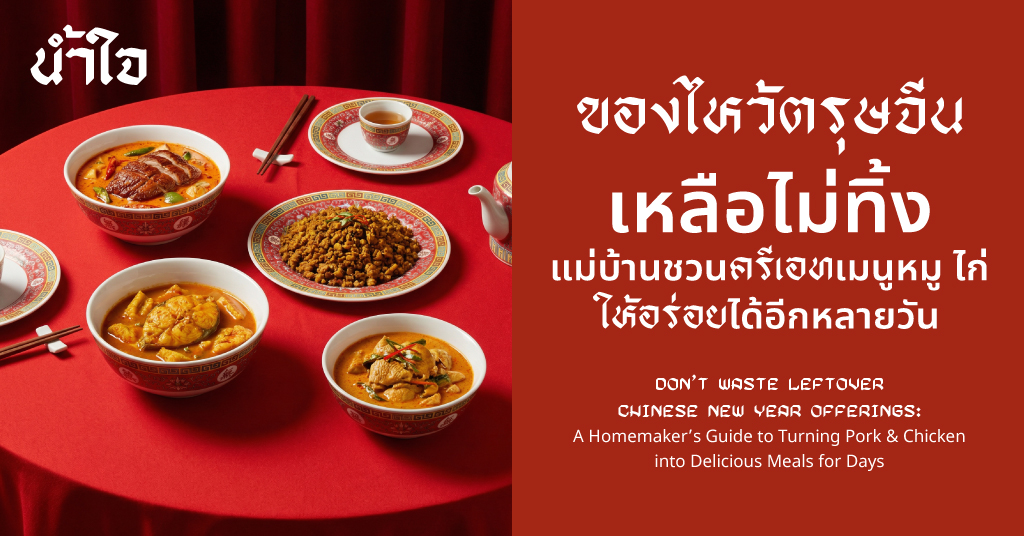
Don’t Waste Leftover Chinese New Year Offerings: A Homemaker’s Guide to Turning Pork & Chicken into Delicious Meals for Days
After Chinese New Year prayers, many households are left with plenty of boiled pork, boiled chicken, or steamed chicken. Instead of reheating the same dishes, transform leftovers into new meals to save money and reduce food waste.
Easy Dishes for the Whole Family
- Shredded Chicken with Sesame — Shred boiled chicken, toss with light soy sauce, sesame oil, and toasted white sesame seeds. Great with steamed rice or congee.
- Boiled Pork Stir-Fried with Onion in Sesame Sauce — Slice pork, stir-fry with onions, season with soy sauce and sesame oil.
- Sesame Chicken Fried Rice — Shredded chicken stir-fried with rice and egg, finished with sesame oil.
Bolder Flavors for Spicy Food Lovers
- Boiled Pork Stir-Fried with Red Curry Paste and Long Beans — pork absorbs curry paste beautifully; a simple, addictive dish.
- Dry Stir-Fried Chicken with Namjai Red Curry Paste — stir-fry until dry so it keeps well for several meals; convenient for lunch boxes.
Make-Ahead & Ingredient Prep Ideas
- Sesame Stir-Fried Shredded Chicken (Refrigerator-Friendly) — stir-fry with sesame oil and soy sauce until dry; store and use as a topping for rice, congee, or noodles.
- Chicken Stock for Future Cooking — simmer leftover bones into stock and freeze for later soups.
With curry paste and sesame oil like Namjai Curry Paste and Namjai Sesame Oil, it’s easy to turn simple offerings into special homemade meals with no extra effort.
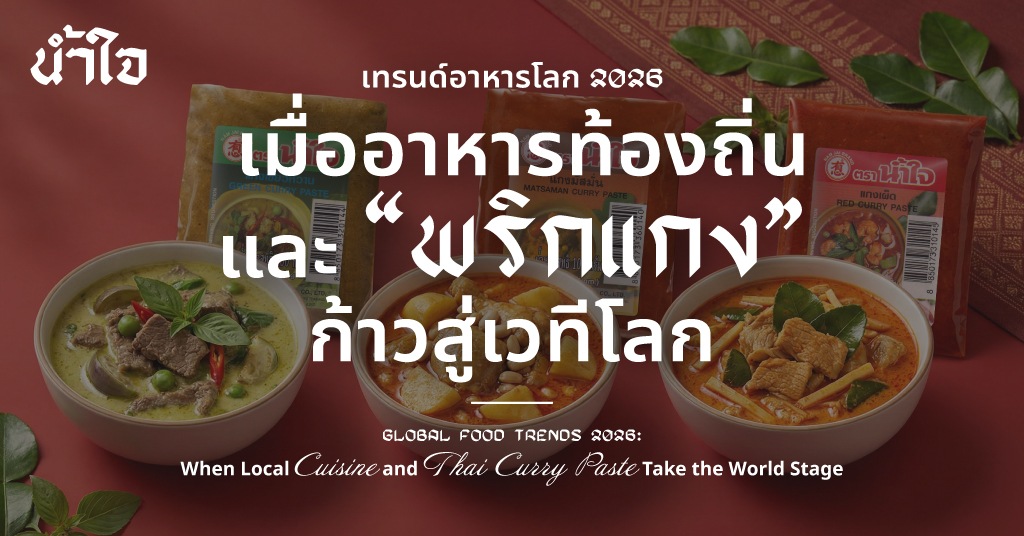
Global Food Trends 2026: When Local Cuisine and Thai Curry Paste Take the World Stage
Global food trends are shifting beyond mere taste toward purpose, provenance, and sustainability. Consumers worldwide are seeking food that tells a story rooted in culture, crafted with intention, and aligned with environmental values. Regional cuisines from Asia, Africa, and Latin America are commanding significant global attention.
Thai curry paste, no longer a niche ethnic seasoning, is being elevated as a versatile flavor base for modern global cuisine — used in dishes like red curry pasta with shrimp, vegetarian green curry pizza, and southern Thai curry paste soups with mushrooms and tofu.
Top Trending Food Categories and Menus in 2026
- Global Curry Bowls — combining Japanese curry, Massaman curry, and Thai curry paste, served with brown rice, quinoa, or other whole grains.
- Plant-Based Comfort Fusion — comfort food reimagined with plant-based proteins, using Thai curry paste for bold, clean-label, meat-free flavor.
- Fermented Flavor Revival — umami-rich fermented foods, e.g., curry paste paired with yogurt, miso, or plant-based sauces.
- Sustainable BBQ & Grill Bowls — grilled plant-based/alternative proteins seasoned with Southern Thai curry paste for smoky complexity.
- Functional Beverages with Spices — health drinks infused with spices, including curry-paste-inspired blends with coconut water or herbal teas.
These trends show that food in 2026 is defined by the integration of tradition, innovation, and sustainability. Thai curry paste has become a powerful “flavor catalyst,” bridging traditional flavors with the future of global cuisine.
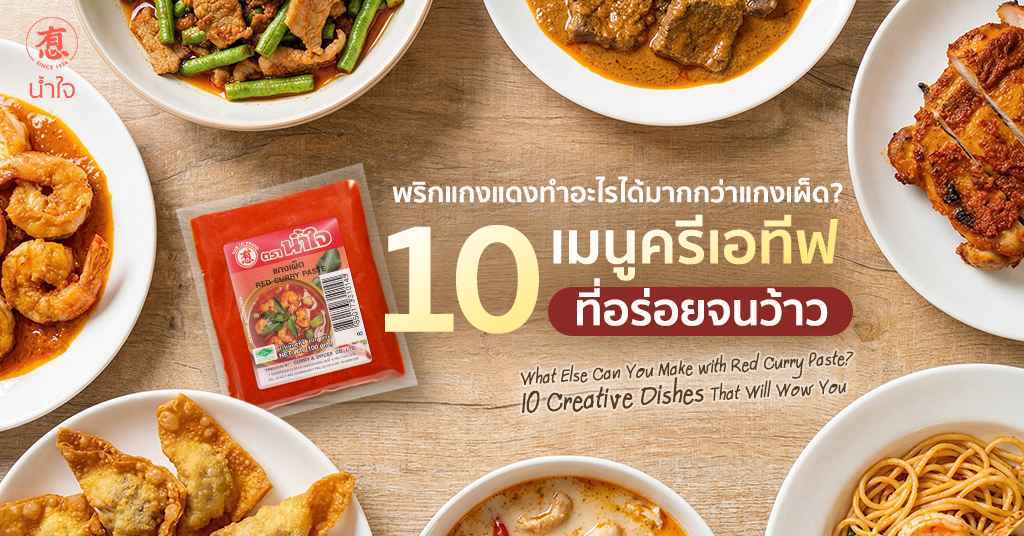
What Else Can You Make with Red Curry Paste? 10 Creative Dishes That Will Wow You
Red curry paste isn’t just for red curry! It’s one of the most versatile Thai curry pastes — perfect for stir-fries, soups, marinades, dips, and fusion dishes.
1. Spicy Stir-Fry / Red Curry Stir-Fry — Sauté red curry paste in oil until fragrant before adding protein or tofu. Ideas: Stir-fried Pork with Long Beans, Bamboo Shoot Red Curry Stir-Fry, Crispy Catfish Red Curry Stir-Fry.
2. Panang Curry (You Can Use Red Curry Paste!) — Add crushed roasted peanuts to coconut milk for extra richness; use red curry paste instead of Panang paste with finely sliced kaffir lime zest.
3. Marinades for Grilled or Roasted Meats — Mix red curry paste + milk/coconut milk + palm sugar + seasoning sauce. Ideas: Red Curry Grilled Pork, Red Curry Grilled Chicken, Red Curry Roasted Pork Belly.
4. Noodle Dishes / Café-Style Fusion — Spaghetti with Red Curry Seafood, Rice Vermicelli Stir-fried with Red Curry, Thai-Style Red Curry Ramen. Add milk or whipping cream for a creamy “red curry fusion sauce.”
5. Easy Homemade “Kua Kling” (Southern Dry Curry) — Mix red curry paste + chili powder + turmeric + black pepper for an easy home-style version.
6. Spicy Fusion Soups — Red Curry Chicken Soup, Red Curry Coconut Mushroom Soup.
7. Dips & Spreads — Mix red curry paste with mayonnaise, Greek yogurt, or cream cheese for a “Thai Spicy Dip” perfect for nuggets, fries, or toasted bread.
8. Spicy Thai Salad Dressing — Red curry paste + lime juice + fish sauce + sugar; great for chicken, seafood, or grilled vegetable salads.
9. Coconut Stir-Fry / Red Curry Shrimp — Sauté red curry paste in coconut milk until it splits, then add shrimp or squid.
10. Fried Dumplings with Red Curry Chicken Filling — Stir-fry red curry paste with minced chicken until fragrant and use as a dumpling filling.
Tips to Make Every Red Curry Dish Taste Better
- Toast the curry paste in a dry pan for 30–60 seconds to boost aroma.
- Add a little fish sauce + palm sugar for better balance.
- Use high-quality curry paste such as Namjai Red Curry Paste for richer aroma and fuller flavor.
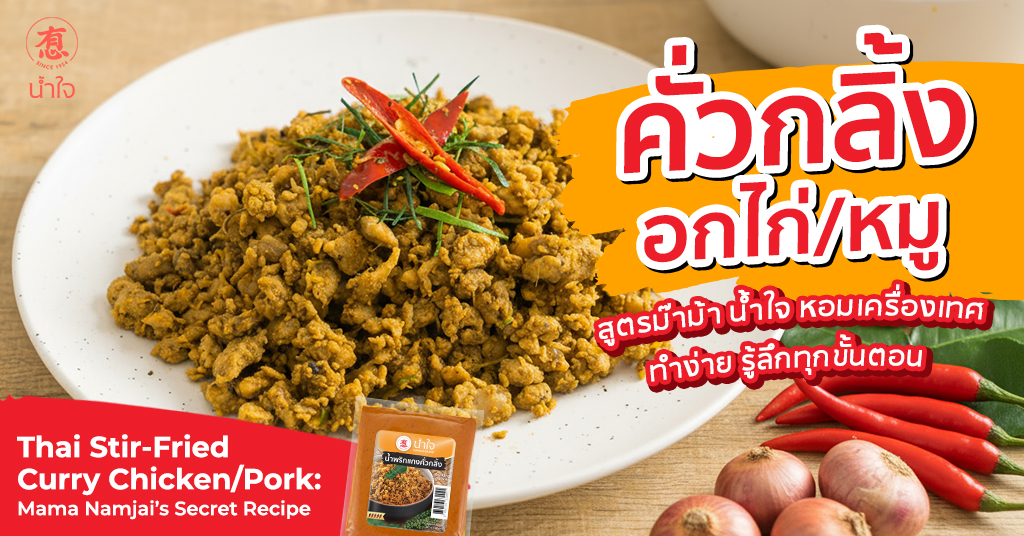
Thai Stir-Fried Curry Chicken/Pork: Mama Namjai’s Secret Recipe
Today, Mama Namjai is making Thai Stir-Fried Curry Chicken or Pork (Kua Kling) — a fragrant, spicy dish that seems complicated but is actually easy with the right techniques.
Ingredients (Serves 4)
- 1 kg chicken breast or pork (fresh, firm meat)
- 80 g Namjai Brand Stir-Fry Curry Paste (1 packet)
- 2 tsp coconut sugar
- ½ tsp ground black pepper
- 4–5 stalks lemongrass, thinly sliced (tender parts)
- 10 kaffir lime leaves, finely shredded
- 2 tbsp fish sauce (or vegan alternative)
- 2 tbsp vegetable oil
For serving: fresh vegetables (long beans or Thai basil), soft-boiled eggs
Step-by-Step Instructions with Tips
- Prepare the Meat: Cut into bite-sized pieces for even cooking. Lightly season with a pinch of salt and let sit 10 minutes to tenderize.
- Sauté the Curry Paste: Heat oil over medium heat, add curry paste, stir-fry until fragrant. Use medium-low heat so spices release aroma slowly without burning.
- Cook the Meat with Curry Paste: Add chicken or pork and stir to coat evenly; don’t overcook.
- Season the Dish: Add coconut sugar and ground pepper, stir well. Taste before adding fish sauce so the sugar penetrates evenly.
- Add Fresh Herbs: Add lemongrass and kaffir lime leaves; stir just until aromatic (overcooking makes them bitter).
- Final Adjustment & Serve: Add fish sauce, brief high heat to combine, remove from heat. Serve with fresh vegetables and soft-boiled eggs. Adjust sweetness/saltiness/spiciness to taste.
Mama Namjai’s Insider Tips
- Use high-quality curry paste (Namjai Brand Stir-Fry Curry Paste) for rich flavor without preservatives.
- Lemongrass and kaffir lime leaves add fresh, fragrant aroma.
- Control the heat: medium-low for sautéing paste, high briefly when mixing with meat and fish sauce.
- Taste as you go so the dish is balanced for everyone at the table.
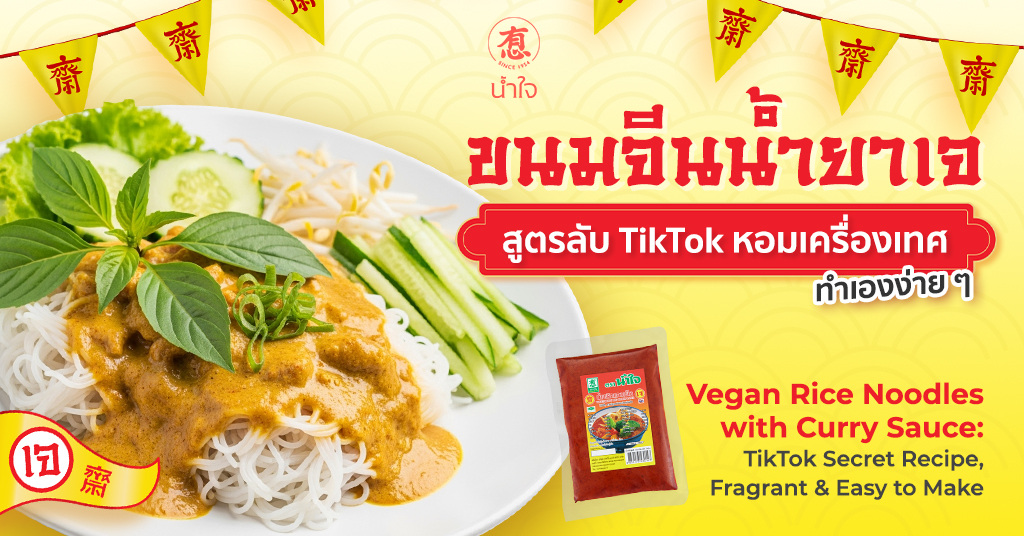
Vegan Rice Noodles with Curry Sauce: TikTok’s Secret Recipe — Effortlessly Delicious with Fragrant Spices
Today, Mama Namjai is making Vegan Rice Noodles with Curry Sauce — a fragrant, flavorful dish that seems difficult but is actually quite easy, using Namjai Brand Vegan Curry Paste and Namjai Brand Vegan Shrimp Paste.
Ingredients for the Curry Sauce (Serves 4)
- 2 tbsp vegan red curry paste (Namjai Brand Vegan Red Curry Paste)
- 2 cups coconut milk
- 150g tofu or textured vegetable protein
- 100g straw mushrooms, sliced
- 2 ripe tomatoes
- 2 cups water
- 1–2 tbsp vegan soy sauce
- A small amount of coconut sugar
- Kaffir lime leaves, finely sliced, for garnish
Ingredients for Serving
- 400g rice noodles
- Fresh vegetables: long beans, bean sprouts, Thai basil leaves, shredded Chinese cabbage
How to Make It
- Prepare the Protein: Soak textured vegetable protein until soft, or cut tofu into bite-sized pieces.
- Sauté the Curry Paste with Coconut Milk: Sauté the curry paste with coconut milk until fragrant, then add ripe tomatoes and stir until combined.
- Simmer the Sauce: Add water and the tofu/textured protein, add straw mushrooms, and simmer until cooked. Season with vegan soy sauce and coconut sugar to taste.
- Serve: Plate rice noodles, pour curry sauce over them, arrange fresh vegetables on the side, and sprinkle with sliced kaffir lime leaves.
Mama Namjai’s Tips
- Use high-quality vegan curry paste (Namjai Brand Red Vegan Curry Paste) for intense, aromatic flavor.
- Kaffir lime leaves add a strong, fresh aroma; a little chili for color is optional.
- Good coconut milk makes the sauce rich and creamy without being too heavy.
- Adjust vegan soy sauce and coconut sugar to balance flavors naturally.
Try it at home — the aroma of the curry and the rich, balanced flavor will make every meal during vegan season full of happiness.
Namjai Curry Paste — A 70-Year-Old Traditional Recipe and the Perfect Formula for Aroma That Thais Trust
If you ask what Thai cuisine can’t live without, the answer is “curry paste.” It’s the heart and soul of authentic Thai flavor. Namjai Curry Paste has stood the test of time with over 70 years of legacy behind it.
“Aromatic richness is the soul of Thai cuisine, and it’s something we strive to preserve in every jar of Namjai curry paste.”
A 70-Year-Old Recipe Reinvented Through Innovation
Namjai’s curry paste recipe has been handed down for more than 70 years — but it’s far from outdated. The team has modernized production methods to meet the needs of today’s home cooks and industrial kitchens alike, while keeping 100% natural ingredients, no preservatives, no artificial coloring, and no synthetic aromas.
Aroma Is No Small Matter
“Aroma isn’t just a scent, it’s a memory, a feeling, and a sense of home.”
Namjai still uses traditional dried chilies — jinda, yellow chilies, and fragrant varieties — each offering distinct aromatic notes that combine into the “perfect equation of aroma.”
Aroma Born from a Deep Understanding of Ingredients
Galangal, lemongrass, garlic, shallots, and a wide variety of spices each contribute unique scents. Namjai’s development team studies different chili varieties, local and imported, to find those with the richest aromas while keeping the authentic flavor profile.
From Home Kitchen to Certified Factory
Namjai was born from a simple question: “Why doesn’t food from some restaurants taste as good as home-cooked meals?” The answer: faded aroma and flavor, often due to poor-quality curry paste. That led to experimenting with homemade curry paste, which eventually grew into a full-fledged curry paste factory — still guided by the principle that it must be aromatic, flavorful, and natural.
“We still use 100% natural ingredients, no preservatives, no coloring, no MSG. Everything must be sincere, just like our name NAMJAI — which means generosity.”
Thai Spices — A Distinctive Heritage
Thailand’s fresh, whole-ingredient approach (rather than dried powders) lets aroma and flavor shine through clearly.
If You Want an Aromatic Kitchen, Choose Curry Paste Made with Care
Try Namjai Curry Paste and discover that a truly rich aroma doesn’t happen by chance — it’s the result of dedication, passion, and an unwavering commitment to quality in every step.